Requests for proposals can be long, and responding takes real effort on both sides. If you are drafting one, or looking for vendors to invite, it helps to know how a small vendor approaches the decision. We would rather tell you early that we are not the right fit than waste your review time.
How we qualify a bid
We look at the scope, the size of the site and the features required. Informational sites with a defined number of pages, a contact path and connections to tools like donation or event providers tend to fit. Large systems, custom databases or user accounts do not.
We also look at timing and what the request expects in terms of formal response. If we can meet it, we answer with a scoped proposal. If not, we say so promptly.
What helps us respond well
- ✓A clear scope — pages, features and tools
- ✓Content readiness — who supplies copy and images
- ✓Decision timeline — dates and review steps
- ✓Budget range — if you can share it
Requests that tend to fit
A historical society that needs its exhibits, visiting details and a donation link on a site staff can understand. A county arts council replacing an outdated site that lists programs, grant deadlines and an events calendar from a tool it already uses. A food pantry that wants distribution times, volunteer signup and a recurring donation option, in English and Spanish.
What these share is a site built to inform and route people, not to run software. The heavy lifting happens in the donation, event or signup tool the organization already chose.
Signals that a request is not for us
- ✓Accounts or logins for the public — we do not build them
- ✓Integration with internal databases — such as case management or records systems
- ✓Formal compliance sign-off by the vendor — we do not certify sites against any standard
- ✓Hosting required on your own servers — our sites run on our managed hosting
What custom scope means for us
Requests are scoped individually, from small sites to builds with many pages. A request with unusual needs gets a custom discussion.
Everything we build is mobile-friendly and we write the copy for you. We do not claim formal compliance for any site, and we ask that your organization’s counsel review legal wording.
Questions worth asking before the deadline
Most requests leave something open. Rather than guess, we send questions in the window you allow, and we suggest you answer them for all bidders so responses stay comparable. Typical ones: will the site keep the current domain, who will write and approve content, how many staff will edit pages after launch, and which donation or event tools must stay in place.
If your process has no question period, tell us when you share the details, and we will flag our assumptions clearly inside the response instead.
What we need in the first conversation
- ✓The issuing organization — type and purpose
- ✓Submission requirements — format and deadlines
- ✓Required features — forms, donations, events
- ✓Hosting expectations — where the site will live
What to expect, honestly
- ✓Inquiry only — scoping starts with a short form and a call
- ✓Not every RFP is a fit — we say so early
- ✓We do not provide legal or compliance advice — that stays with your counsel
One example of what your site could look like
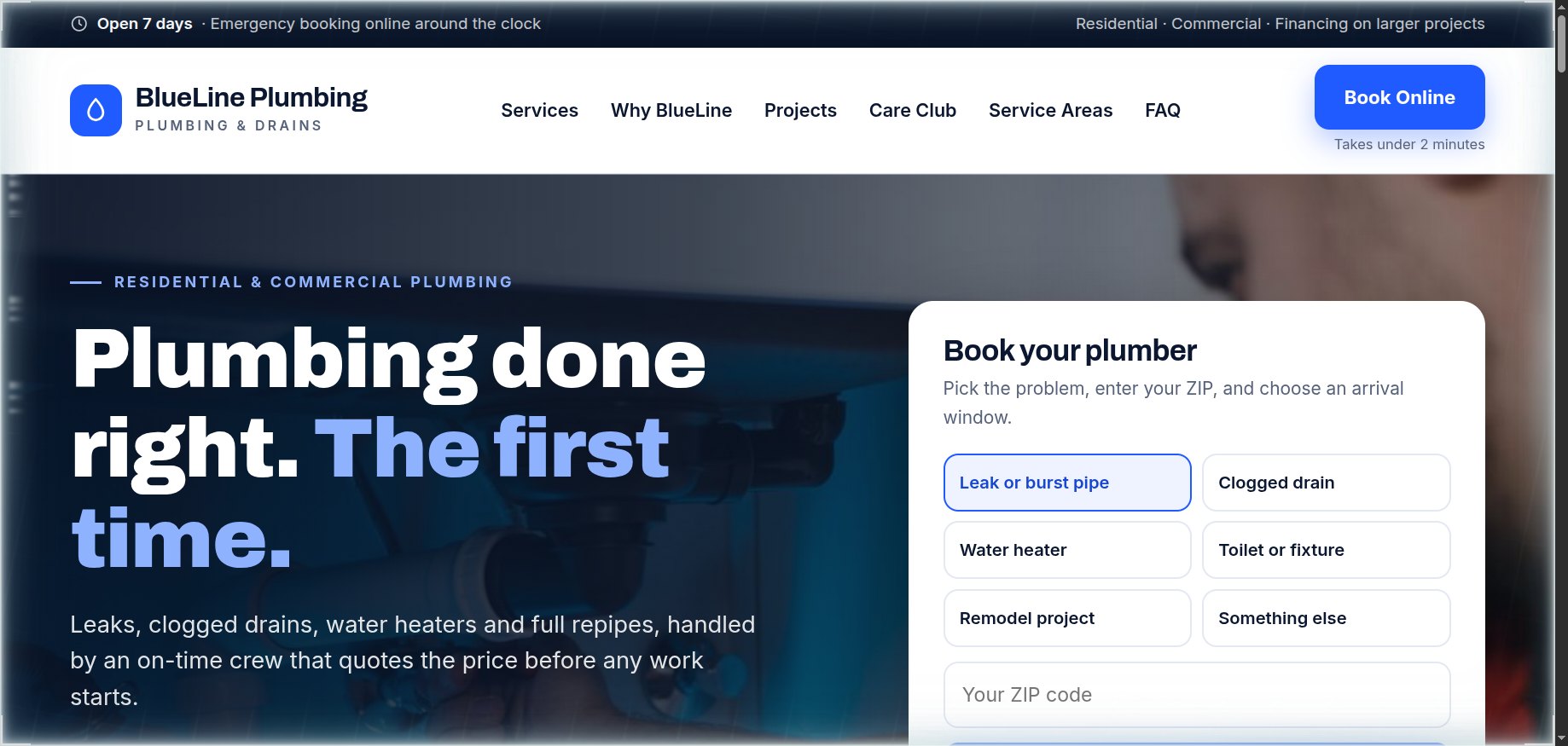
This is one sample we designed. Yours is built around your business, your photos and your words, and we have more examples if you want to compare directions.

How it works
1. Consultation
We learn your services, customers and goals, in English or Spanish.
2. We write and design
We draft the words and build the site around your business.
3. 10 revision rounds
You review and request changes until it is right.
4. Launch and care
We launch, then Website Care keeps it hosted, backed up, checked weekly and A/B tested.
Keep reading
Website RFP checklist · Agency capabilities · Recurring donations websites · What a nonprofit site should include